
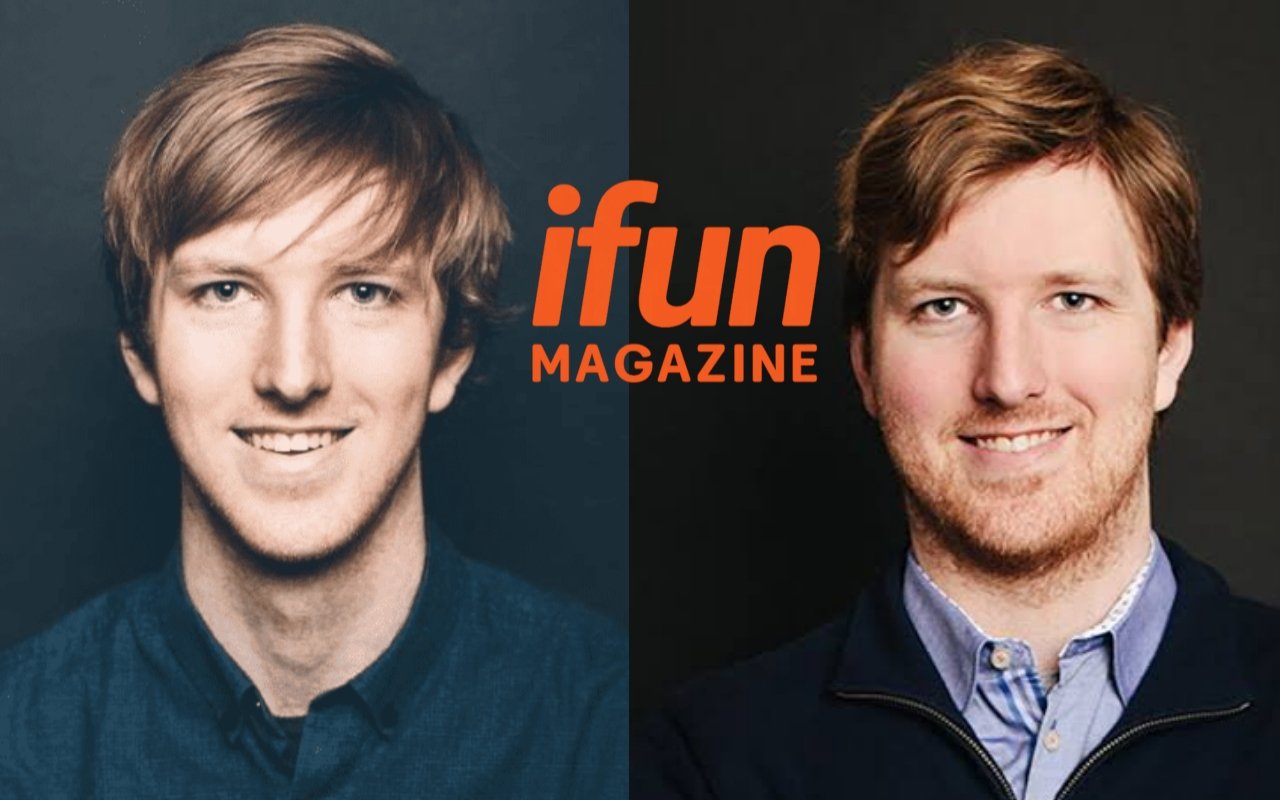
What does it mean to inherit immense wealth before you can even legally drive in some parts of the world? This isn’t a hypothetical question for Kevin David Lehmann, a name that quietly entered the global stage and became synonymous with the term “youngest billionaire.” At just 23 years old, he controls a fortune that most people can only dream of, yet he remains one of the most private and enigmatic figures in the world of the ultra-wealthy.
His story isn’t one of a tech startup launched from a dorm room or a disruptive innovation that changed the world. Instead, it’s a tale of quiet inheritance, family legacy, and the immense responsibility that comes with a 50% stake in Germany’s leading drugstore chain, dm-drogerie markt.
This post will delve into the life of Kevin David Lehmann. We will explore the origins of his staggering wealth, the history of the dm-drogerie markt empire, and the unique business philosophy that sets it apart.
We’ll also examine why, in an age of constant public exposure, he has chosen a life far from the spotlight. This is more than just a story about money; it’s a look into a different kind of billionaire, one whose power lies not in public pronouncements but in silent ownership of a retail giant.
Who is Kevin David Lehmann?
Kevin David Lehmann, born on September 1, 2002, is a German national who gained international attention when Forbes officially recognized him as the world’s youngest billionaire. His journey to this title began long before he was aware of it. The source of his immense fortune is a 50% ownership stake in dm-drogerie markt, Germany’s largest and most successful drugstore chain.
This stake was transferred to him by his father, Guenther Lehmann, in 2017. At the time, Kevin was only 14 years old. The assets were held under a trusteeship, a legal arrangement to manage the inheritance on his behalf, until he reached his 18th birthday in September 2020.
Upon turning 18, he officially gained full legal control over his multi-billion dollar inheritance, solidifying his status on the global wealth rankings. Despite this, very little is known about his personal life, education, or interests, a testament to his family’s commitment to privacy.
Unlike many of his young, wealthy peers who often leverage social media and public appearances to build a personal brand, Lehmann remains a ghost. His online presence is minimal, with an Instagram account that has very few posts and followers, offering no glimpse into his daily life. This deliberate choice to remain out of the public eye makes his story all the more fascinating.
He represents a different kind of wealth—one that is inherited, silently managed, and not used for public spectacle. His residence is listed in Karlsruhe, Germany, the same city where dm-drogerie markt opened its first store, grounding his story firmly in the company’s roots.
The Foundation of Wealth: A Look at dm-drogerie markt
To understand Kevin David Lehmann’s wealth, you must first understand the powerhouse behind it: dm-drogerie markt. The company’s story began in 1973 when Goetz Werner opened his first shop in Karlsruhe. At the time, Germany had fixed pricing for retail goods, but Werner anticipated the deregulation of this system and built his business model around offering high-quality products at competitive prices.
His foresight paid off. The company expanded rapidly, becoming a household name across Germany. The stores offer a vast range of products, including cosmetics, healthcare items, household products, and organic food, catering to a broad customer base.
A pivotal moment in the company’s history occurred just a year after its founding. In 1974, Guenther Lehmann, Kevin David’s father, made a strategic investment. At the time, Guenther was running his family’s Pfannkuch grocery chain. He saw the potential in Werner’s vision and invested in dm, acquiring a 50% stake. This partnership proved incredibly successful.
Today, dm boasts over 4,000 stores across Europe and generates annual revenues exceeding $14 billion. It is a titan of the European retail landscape, known not just for its size but also for its unique corporate culture. This is the empire that Kevin David Lehmann inherited half of, a sprawling and highly profitable business built over five decades.
A Quiet Transfer of Generational Wealth
The transfer of Guenther Lehmann’s 50% stake to his son was not a sudden event but a carefully planned act of succession. The ownership was formally passed to Kevin David in 2017 when he was just a teenager. This move was made with incredible discretion; there were no flashy press releases or public announcements.
In fact, the world at large only became aware of Kevin’s billionaire status in 2021 when Forbes included him in its annual list of the world’s wealthiest individuals. The assets remained under a trusteeship until his 18th birthday, ensuring they were professionally managed until he was of legal age to assume control.
This method of transferring wealth speaks volumes about the Lehmann family’s philosophy. They are not interested in the fame or public recognition that often accompanies such fortunes. Instead, they prioritize privacy and stability. It’s a classic example of “stealth wealth,” where financial power is wielded without drawing attention. This approach is in stark contrast to many inheritance stories that play out in the public eye, often accompanied by family disputes or media frenzies.
The Lehmanns have masterfully avoided all of it, ensuring a smooth transition of a massive business stake from one generation to the next while remaining almost completely anonymous.
The Lehmanns’ Role: Ownership Without Operation
One of the most intriguing aspects of the Lehmann family’s relationship with dm-drogerie markt is their complete lack of operational involvement. Neither Guenther nor Kevin David has ever held a management position within the company. They have never been involved in the day-to-day decisions, strategic planning, or public-facing roles.
Their position is purely that of silent investors. This is highly unusual for a family that owns such a significant portion of a business. Typically, founding families or major stakeholders take an active role on the board or in executive leadership.
This hands-off approach has allowed dm to cultivate its own distinct identity and culture, driven by its professional management team. The company’s founder, Goetz Werner, and now his son, Christoph Werner, who serves on the management board, have been the guiding forces behind dm’s operational success.
This separation of ownership and management has likely contributed to the company’s stability. It prevents potential conflicts of interest and allows the management team to focus solely on the long-term health of the business, free from the personal whims of its owners. For the Lehmanns, it seems the investment is just that—an asset to be held, not a company to be run.
The “dm Philosophy”: A Different Kind of Corporate Culture
The success of dm-drogerie markt is not just about its vast number of stores or its revenue figures. A core part of its identity is its renowned corporate philosophy, which is well-known throughout German-speaking countries. This philosophy, instilled by founder Goetz Werner, prioritizes the well-being of its employees above all else.
Werner believed that happy, empowered employees would lead to satisfied customers and, ultimately, long-term business success. This employee-centric approach is a cornerstone of the brand’s identity and has created a fiercely loyal workforce.
Some key elements of the dm philosophy include:
- Decentralized Decision-Making: Store managers and even individual employees are given a significant degree of autonomy. They are encouraged to make decisions that best serve their local customers, from managing inventory to organizing community events. This trust fosters a sense of ownership and responsibility.
- Emphasis on Personal Development: The company invests heavily in training and education for its employees, not just in job-related skills but also in personal growth areas like arts and theater. The belief is that well-rounded individuals make better employees.
- Flat Hierarchies: dm is known for its relatively flat organizational structure. Dialogue and collaboration are encouraged at all levels, and the culture is one of mutual respect rather than top-down authority.
This humanistic approach to business has been incredibly effective. It has created a positive shopping experience for customers and made dm an employer of choice in the German retail sector.
While Kevin David Lehmann is not operationally involved, his wealth is built upon a company that champions these progressive values. The other half of the company, owned by the Werner family, has been transferred to a charitable foundation, further cementing the brand’s commitment to social responsibility.
Living Life Off the Radar: The Choice of Anonymity
In our hyper-connected world, where billionaires like Elon Musk and Mark Zuckerberg are household names whose every move is scrutinized, Kevin David Lehmann’s anonymity is a radical choice. He is a prime example of how immense wealth does not have to equate to a public life.
By all accounts, he and his father have gone to great lengths to avoid the media. They do not give interviews, they are not photographed at lavish parties, and they do not use their wealth to court influence in political or social circles.
This low-profile existence protects them from the pressures and dangers that can come with being a public figure of such financial standing.
This desire for privacy might stem from a cultural predisposition. In Germany, there is often a greater emphasis on privacy and a certain disdain for the ostentatious display of wealth compared to other Western countries. The Lehmanns seem to embody this principle. Their story is a reminder that it is possible to be incredibly powerful in the business world without being a celebrity.
Their influence is felt through their ownership stake, not through their public persona. This quiet life allows Kevin David the freedom to live without the constant burden of public expectation, a luxury that few in his position can afford.
What Does the Future Hold for the Young Billionaire?
With his immense fortune now legally under his control, the world is watching to see what Kevin David Lehmann will do next. Will he follow in his father’s footsteps and remain a silent, passive investor for the rest of his life? Or will he, at some point, decide to take a more active role? He could choose to diversify his investments, create his own ventures, or engage in philanthropy.
The possibilities are virtually limitless. His age is a significant factor; at just 23, he has a lifetime ahead of him to decide how he wants to shape his legacy.
Given his family’s track record, it is likely that he will continue to maintain his privacy. However, a new generation often brings new perspectives. He may have interests or passions that he wishes to pursue, which could eventually bring him into the public sphere, albeit on his own terms. For now, he remains an enigma.
His story challenges our conventional ideas of what it means to be a billionaire in the 21st century. It is a narrative not of disruption and noise, but of quiet continuity and unseen influence.
The Burden and Blessing of Inherited Wealth
The story of Kevin David Lehmann is more than a simple tale of a lucky young man. It raises profound questions about the nature of inherited wealth. On one hand, it is an incredible blessing, providing financial security and opportunities that are unimaginable to most.
On the other, it can be a heavy burden. Inheriting such a vast fortune at a young age comes with immense responsibility—to manage it wisely, to preserve the legacy that was built by others, and to find one’s own purpose in a world where financial need is not a motivating factor. It requires a level of maturity and discipline that is not often associated with youth.
Kevin David Lehmann’s path is already set in many ways, but the chapters of his life are still unwritten. He is the custodian of a significant piece of one of Europe’s most successful retail empires. His journey will be a fascinating case study in how the next generation of the ultra-wealthy navigates their role in the world.
Will they be silent stewards like their predecessors, or will they use their inherited power to forge new paths? Only time will tell, but one thing is certain: the world will be watching, even if it’s from a distance. The silent billionaire of Germany holds a unique position, and his future decisions will quietly shape a legacy that is already decades in the making.




Leave a Reply