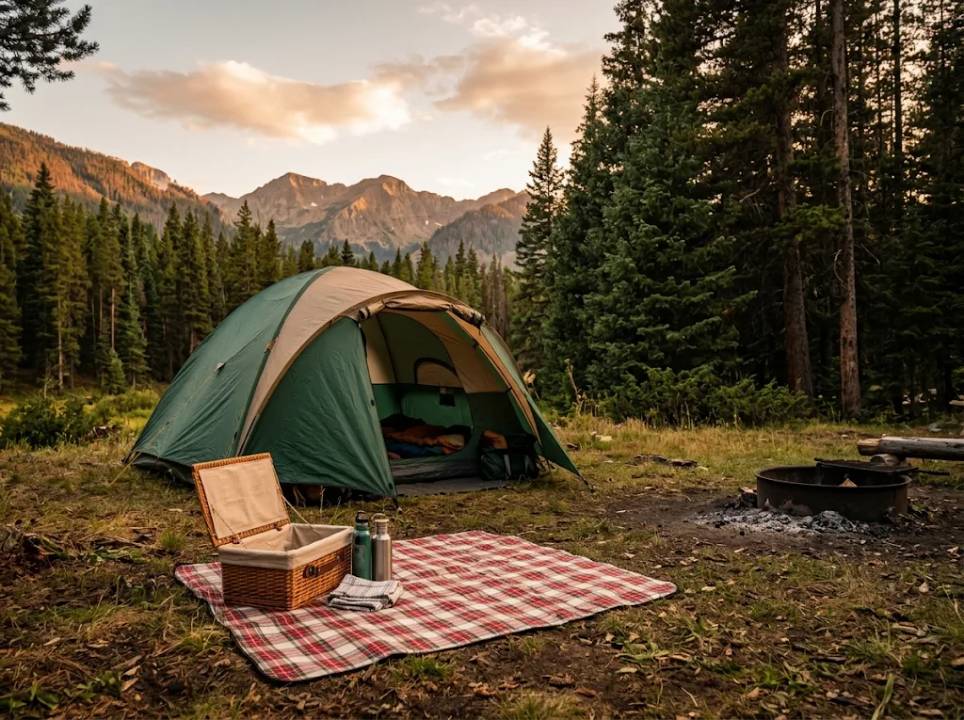
A weekend in a national park can be the best thing you do all year, or a long lesson in forgotten gear and tired children. The difference is usually preparation. Families who plan a few key details ahead of time spend less energy on problems and more on the things that make camping special, like campfire stories, muddy boots and the first sight of a mountain at sunrise.
Pick the Right Park and Campsite
Choose a place that matches your children's ages and your own experience. Younger kids do well at campgrounds with flat ground, toilets and a short trail nearby. Older children may enjoy a longer hike and a quieter spot. Read recent visitor reviews, check the distance from the parking area to the tent site and look at the weather forecast for the exact dates.
Book Early and Read the Rules
Popular parks fill their campsites months ahead, especially in summer and on holiday weekends. Reserve as soon as dates are fixed, and read the park rules on fires, food storage, pets and quiet hours. Rules differ from park to park, and a few minutes of reading prevents awkward surprises at the gate.
Pack Smart for Kids
Think in layers. Mornings and nights in the mountains can be cold even after a hot day, so bring warm clothes, rain jackets, hats and spare socks for everyone. A good sleeping pad matters as much as a sleeping bag, because the ground steals heat fast. Add a headlamp for each person, a first aid kit, sun protection and insect repellent.
Always pack one extra set of dry clothes per child. Puddles, creeks and spilled drinks are guaranteed, and dry clothes keep a small problem from ruining the evening.
Plan Easy Meals and Picnics
Camp cooking should be simple. Prepare as much as you can at home, such as chopped vegetables, marinated meat and pancake mix in a bottle. One pot meals, foil packets and sandwiches work well, and kids love roasting something over the fire. For daytime picnics, pack finger foods, plenty of water and a blanket that keeps the damp ground away.
Store food in sealed containers and follow the park instructions on bear boxes or lockers. Never keep snacks in the tent.
Keep Children Busy and Happy
Boredom turns into complaints quickly. Bring a few light games, a field guide for birds or plants and a small notebook for drawing. Many parks run ranger programs and junior explorer activities that give children a badge and a reason to look closely at nature. Let kids take real jobs, like gathering kindling or helping with the tent, because responsibility builds enthusiasm.
Think About Safety First
Teach children to stay within sight, carry a whistle and know what to do if they get lost. Keep a respectful distance from wildlife, never feed animals and watch the weather for storms. Near water, stay close to young swimmers and check whether swimming is allowed. Tell someone outside the group where you are going and when you plan to return.
Leave No Trace
National parks stay beautiful only when visitors protect them. Pack out all trash, camp on durable ground and keep campfires small. The seven Leave No Trace principles give families an easy framework that even young children can learn and repeat, and they turn a camping trip into a small lesson in caring for the outdoors.
Traveling Across Borders With Family
Many families dream of visiting parks abroad, from the Rockies to the forests of Quebec. Crossing a border adds paperwork, and the language of signs, permits and park information may change. Visitors who plan trips to French speaking regions of Canada often use French Canadian translation services to prepare reservations, rental agreements and official documents in the right regional style.
If your trip includes a longer stay or a visa, check early which documents need an official translation. This guide to UK visa translation shows how document requirements work in practice, and the same careful approach helps with other countries.
Prepare for Rainy Days
Rain does not have to end the trip. Bring a tarp to create a dry sitting area, a deck of cards and a few books for the tent, and a plan for a nearby visitor center or museum. Children often remember a rainy afternoon of puddle jumping and hot chocolate more fondly than a perfect sunny day. A flexible attitude from the adults sets the tone for everyone.
Sleep Well Under the Stars
Rested children are happier campers. Set up the tent before dark, pick a flat spot away from low ground where water collects and keep a small light inside for nighttime bathroom trips. A familiar toy or pillow from home helps younger kids settle in an unfamiliar place.
Wrap Up With a Family Ritual
Before you leave, take a few minutes to walk the site, check for forgotten items and thank the place that hosted you. Ask everyone to share a favorite moment from the trip. These small rituals turn a weekend outside into a memory your family will repeat for years.