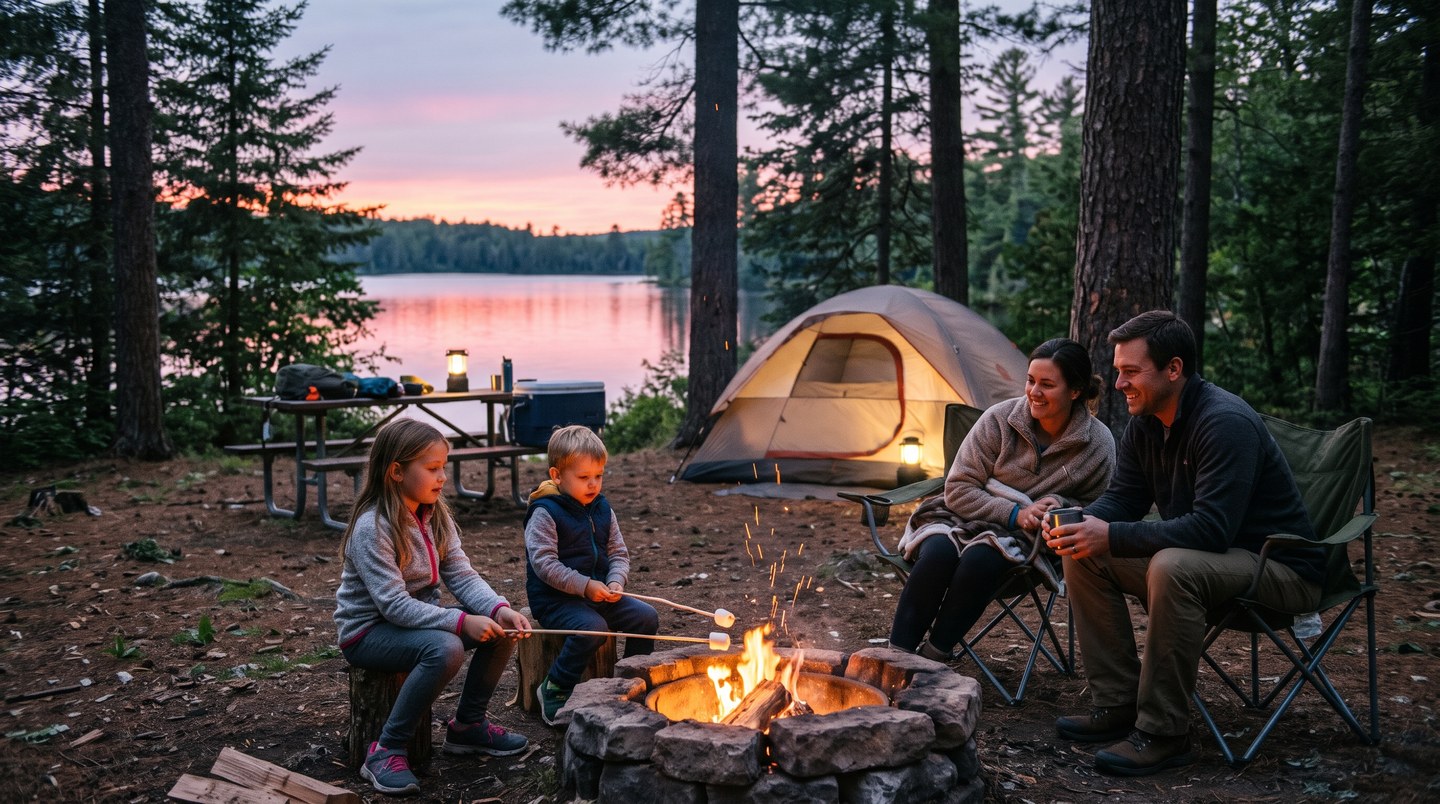
There is something special about a family camping trip. Kids get to sleep in a tent, cook dinner over a flame, spot animal tracks and look up at more stars than they have ever seen. Parents get to slow down and spend real time together without screens and schedules. But camping with children also takes a bit of planning. Little ones get cold, hungry and bored faster than adults, and a trip that is too long or too hard can end in tears.
These ten simple tips will help you plan a camping trip the whole family enjoys, whether it is your first night under canvas or your tenth.
1. Choose the Right Kind of Camping
There is more than one way to camp, and the best choice depends on your children's ages and your own comfort level:
- Backyard camping is a no-risk way to test the tent, the sleeping bags and how the kids sleep outside.
- Family campgrounds offer marked sites, toilets, running water and other families nearby.
- Cabins and glamping give you real beds and a roof, which is great with babies or nervous first-timers. Glamping sites often have furnished tents, so you only need to bring clothes and food.
Start with the easiest option that still feels like an adventure, and build up from there.
2. Keep the First Trip Short and Close
One or two nights, no more than a couple of hours from home, is perfect for a first trip. If the weather turns or someone gets sick, you can pack up and drive home without stress. Short trips also leave kids wanting more, which is exactly the feeling you want them to have.
3. Plan the Trip Together
Children enjoy camping more when they feel part of the plan. Show them photos of the campground, look at the trail map together and let each child choose one activity and one meal. A simple countdown calendar on the fridge builds excitement for younger kids.
4. Pack Smart, Not Heavy
Use clear plastic bins for kitchen gear, sleeping gear and clothes, so everything is easy to find. Give each child a small backpack with a water bottle, a flashlight, a snack and one comfort item. Pack clothes in layers, plus rain jackets and warm hats, because nights outdoors are often colder than you expect, even in summer. Extra socks are never a waste of space.
5. Make the Tent Feel Like Home
The first night in a tent can feel strange to a child. Bring their own pillow, a favorite blanket or stuffed animal, and keep the usual bedtime routine: pajamas, teeth, a story. Give every child a headlamp or small flashlight to keep by their head. A few glow sticks hanging from the tent roof make a fun night light. Lay out sleeping bags early, before it gets dark, so bedtime is calm instead of rushed.
6. Keep Meals Simple and Fun
Camp food does not need to be fancy. Kids love foil-packet dinners, hot dogs, pasta, pancakes and, of course, s'mores. Prepare what you can at home, like chopped vegetables or pancake batter in a bottle, and bring plenty of easy snacks such as fruit, crackers and cheese. Let the kids help with safe jobs like stirring, washing fruit or setting the picnic table. Children are far more likely to eat a meal they helped make.
7. Plan Easy Activities
Kids do not need a full schedule at camp, but a few ideas help on slow afternoons:
- A short trail walk to a lake, a waterfall or a viewpoint
- A scavenger hunt for pinecones, feathers, smooth rocks and different leaves
- Bug exploring with a magnifying glass
- Nature art with sticks, stones and leaves
- Campfire stories and songs after dinner
- Stargazing on a blanket once it gets dark
Leave plenty of free time too. Building a stick fort or splashing in a creek is often the highlight of the whole trip.
8. Teach a Few Safety Rules
Agree on simple rules before you arrive. Kids stay where they can see the tent. They never go near the water or the fire without an adult. Each child carries a whistle and knows to stay put and blow it if they get lost. Food stays in the car or a locked box at night, never in the tent. Check everyone for ticks after walks in long grass. It is also a great time to teach the basics of Leave No Trace, like taking all trash home and leaving plants and animals alone.
9. Stay Flexible When Things Go Wrong
Something will not go to plan. It might rain, the stove might refuse to light, or a child might wake up at 5 a.m. full of energy. Treat these moments as part of the adventure. Pack a deck of cards and a book for rainy hours, keep snacks within reach and lower your expectations a little. A relaxed parent makes for a relaxed camp.
10. Keep a Camp Journal
Give each child a small notebook and some colored pencils. Every evening, they can draw the campsite, write down the animals they saw and tape in a leaf, a feather or a ticket. Take a family photo at the campground sign or by the tent each time you camp. Over the years, these journals and photos turn into a treasured record of your family adventures.
Make It a Family Tradition
Camping with kids is less about perfect planning and more about time together outdoors. Choose an easy style of camping, keep the first trip short, plan and pack together, and leave room for surprises. Before long, your children will be the ones asking when the next camping weekend is, and that is the best sign that you got it right.