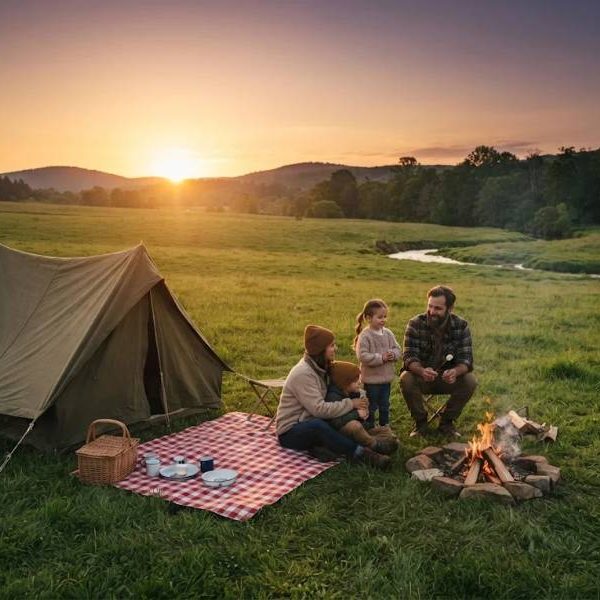
Camping can feel intimidating for a family that has never slept outdoors. In reality, a few good choices make it relaxed and fun. You do not need expensive gear or advanced skills, just a little planning and a flexible mood. This guide helps families enjoy their first trip.
Start close to home
Choose a campground within an hour or two from home. A short drive makes it easy to return if weather or moods turn bad.
Your first trip is practice, not a test.
Pick a family friendly site
Look for restrooms, showers, safe water and a playground or a trail nearby. Read reviews from other families.
Reserve early for weekends and holidays.
Choose the right tent
Pick a tent that sleeps one or two more people than you have, so everyone has space. Check that it has a rainfly and good ventilation.
Set it up in the backyard first to practice.
Sleeping comfort
A pad under each sleeping bag adds warmth and cushion. Choose sleeping bags rated for the lowest expected temperature.
Bring a small pillow from home.
Pack the essentials
Bring a flashlight or headlamp for each person, a first aid kit, sunscreen, insect repellent, water bottles and extra clothes. A simple checklist prevents forgetting.
Use bins to keep gear organized.
Plan simple meals
Prepare easy meals such as pasta, sandwiches, foil dinners and breakfast burritos. Pre chop ingredients at home.
Pack a cooler with ice and keep raw food separate.
Picnic ideas for the trail
Fruit, nuts, wraps and cheese travel well. Pack reusable containers and a small blanket.
Keep food in sealed bags to avoid attracting wildlife.
Cooking safely
Use a stove or designated fire pit and never leave flames unattended. Keep children at a safe distance.
Have water or a bucket nearby.
Check campfire rules
Fire restrictions change with season and weather. Follow local rules and fully extinguish fires.
Never leave a fire unattended or burning at night.
Follow Leave No Trace
Take trash with you, stay on trails and respect wildlife and other campers. The Leave No Trace seven principles give a simple guide that families can learn together.
Make it a game for children.
Wildlife and food storage
Store food and scented items in a hard sided car or locked bear box where required. Never feed animals.
Keep the site clean at night.
Weather preparation
Check the forecast and bring rain gear. A tarp over the cooking area can save the day.
Pack extra socks and a towel.
Keep children engaged
Give them jobs such as collecting firewood, setting the table or leading a nature hunt. Bring cards, books and a small ball.
Allow time for free play.
Evening fun
Stories, songs, stargazing and marshmallows make memories. Bring a star map or an app.
Keep voices low after quiet hours.
Safety basics
Teach children their names and your phone number, set boundaries and use whistles. Know where the nearest help is.
Check for ticks after hikes.
Insect and sun care
Use repellent and long sleeves in the evening and sunscreen during the day. Choose a shady campsite.
Check for poison plants.
Hygiene outdoors
Wash hands often and keep a small bag for waste. Bring biodegradable soap and use it away from water sources.
Use camp showers when available.
Camping abroad
Families who travel to other countries must check entry rules and local camping regulations. Some documents may need official translation.
Our guide to translation for a UK visa shows how translated papers are used in entry and residence procedures.
Explore Norway and the Nordics
Scandinavian countries have a right of public access that allows camping in nature under certain conditions. Information is often published in local languages.
Tourism providers use Norwegian translation services to prepare guides, rules and booking pages for foreign families.
Break camp carefully
Pack in an organized way, check the site for litter and leave it cleaner than you found it. Dry the tent at home before storage.
Involve children in the final sweep.
Review and improve
Talk about what worked and what to change next time. Write a list of missing items.
Each trip becomes easier.
Keep expectations flexible
Not everything will go as planned. Spilled soup, rain and sleepy children are part of the story.
A good attitude is the best gear.
Final thought
Camping gives families time together away from screens. Start small, stay safe and enjoy the simple pleasures.
Your second trip will feel much easier than the first.
Make a first night plan
Arrive early to set up in daylight and keep the first night simple. A warm meal and an early bedtime help children settle in a new place.
Have a flashlight and a spare blanket within reach.
Pack for comfort, not for everything
Resist the temptation to bring the whole house. A few well chosen comforts, such as a lantern, camp chairs and a small rug, are enough.
Lighter loads make packing and unpacking easier.
Share the memories
Take a family photo each day and let children draw or write about the trip afterward. These small records make the next trip even more exciting.