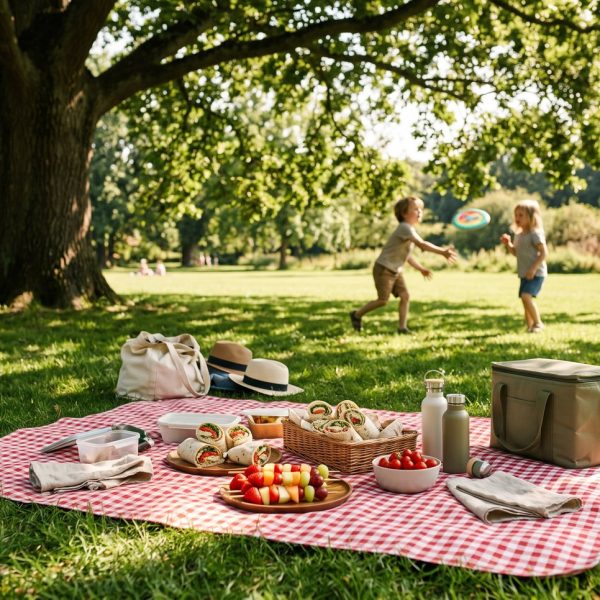
The best family picnic ideas rarely come from glossy magazine spreads. They come from parents who have hauled a cool box across a car park, watched a toddler drop a sandwich in the grass, and still decided the day was worth it. After years of outings with my own children and many conversations with other parents, I have learned that a good picnic is less about the menu and more about planning that quietly removes friction. Here is how to put together a relaxed day outdoors that everyone, including the adults, actually enjoys.
Start With the Place, Not the Food
Most picnic plans begin in the kitchen, but the location decides almost everything else. A park with shade, toilets within walking distance and a flat patch of grass will save you more stress than any clever recipe. If you have small children, look for a spot with natural boundaries such as a hedge or a gentle slope, so you are not chasing a runaway three year old towards a pond every ten minutes.
Lakesides, botanical gardens, beach dunes and the picnic areas inside national and regional parks are all wonderful choices. Check opening hours and parking rules the night before, and have a backup spot in mind in case your first choice is crowded. Arriving early, especially on a sunny weekend, almost always pays off.
Picnic Food Ideas That Travel Well
When it comes to picnic food ideas, think in terms of what survives a bumpy journey and tastes good slightly cool. Wraps hold together better than sandwiches made with soft bread. Pasta salads, couscous and grain bowls can be made the evening before and actually improve overnight. Finger foods are a parent's best friend: cherry tomatoes, cucumber sticks, grapes cut lengthwise for younger children, cheese cubes, crackers and mini muffins.
A simple trick I picked up from a fellow parent is to pack each child's lunch in its own small container with their name on the lid. It ends arguments before they start and makes clearing up far quicker. For dessert, skip anything with melting chocolate or cream and pack fruit skewers, flapjacks or homemade cookies instead.
Food safety deserves a moment of attention, particularly in warm weather. Keep perishable items in an insulated bag with ice packs, and do not leave meat, eggs or dairy sitting in the sun for long. The practical guidance on FoodSafety.gov about keeping cold foods cold is a sensible reference if you are packing for a long day. If your family enjoys cooking outdoors as well, this guide to healthy camping snacks for kids has more ideas that work just as well on a picnic blanket.
Your Picnic Checklist
A picnic checklist sounds fussy until the day you forget the bottle opener or the wipes. Keep a short list on your phone and reuse it every time. Mine covers a waterproof backed blanket, a cool bag with ice packs, plenty of water, reusable plates and cutlery, a roll of kitchen paper, wet wipes, a bin bag for rubbish, sun cream, hats, insect repellent, a small first aid kit and a spare set of clothes for each child. A lightweight folding chair for any grandparent who joins you is a kind touch.
It helps to pack the bags in reverse order of use. The blanket goes on top, food in the middle, and the spare clothes at the bottom, where you hope they will stay.
Picnic Games for Kids and Simple Ways to Play
Children rarely sit still for long, and that is fine. Bring a few picnic games for kids that need almost no equipment. A soft ball, a frisbee and a skipping rope cover most ages. A nature scavenger hunt is a favourite in our house: write a list of things to find, such as a feather, a smooth stone, a yellow flower and something that smells nice, and let them loose within sight of the blanket.
For quieter moments, a pad of paper and a few crayons go a long way, as does a stack of library books in a tote bag. Older children often enjoy taking charge of a small task, like setting out the food or keeping score in a game, which gives them a sense of ownership over the day.
Picnics are also a lovely tradition to take on holiday. Families who travel abroad often find that eating outdoors is one of the easiest ways to experience local food, and picking up a few words of the local language makes market shopping more fun. This look at popular travel destinations and the languages spoken there is a good starting point for planning the next adventure.
Leave the Place Better Than You Found It
One of the most valuable lessons a picnic can teach children is respect for shared spaces. Make tidying up part of the fun by giving everyone a job, from gathering cups to checking the grass for wrappers. Take all rubbish home if bins are full, and avoid feeding ducks or wildlife with bread or leftovers.
The picnic has a long and charming history, and the story of the picnic shows how it grew from elaborate outdoor banquets into the simple family ritual we know today. That simplicity is the point. With a well chosen spot, food that travels well, a short checklist and a few games, your next family picnic can be the easy, happy afternoon you imagined when you first packed the cool box.
A Few Final Tips From Experience
Keep expectations modest and plan for about two hours rather than a whole day with little ones. Check the weather forecast, but do not cancel at the first grey cloud, since a light shower under a big tree can become a favourite memory. Finally, take one photo and then put the phone away. The children will remember the games, the snacks and the company far longer than any picture.