Hungary draws travellers with thermal baths, wine cellars, river cruises and a capital that many call one of the most beautiful in Europe. Most visitors come from English speaking countries or use English as a bridge language, yet many of the texts that help them enjoy the trip are written first in Hungarian: spa rules, wine route leaflets, museum notes, village festival programmes and hotel guest folders. A rule about swimwear or a wrong closing time can spoil a morning, and a confusing wine label can turn a tasting into a puzzle. Thoughtful Hungarian English translation for travel gives visitors the practical facts they need and a taste of local character, in sentences that are easy to read on a phone while standing in a queue. This article looks at the most useful travel texts and how to prepare them.
Thermal baths and spa rules
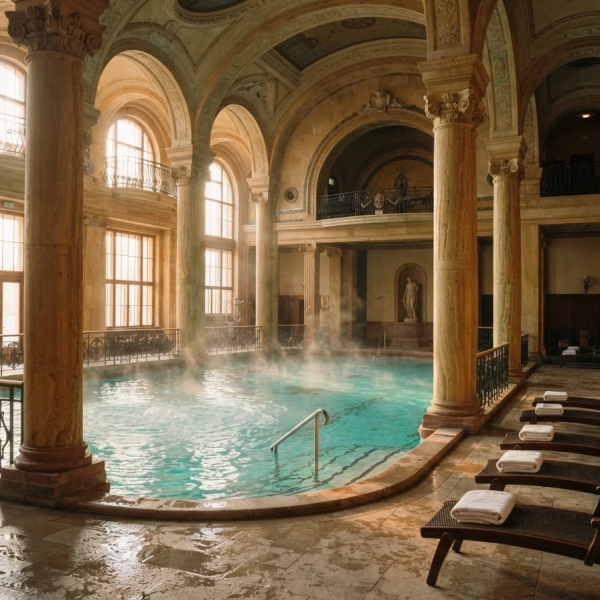
Thermal baths are a highlight of any Hungarian trip, and they come with a long list of customs. Visitors need to know about locker systems, wristbands, swimming caps, shower rules, temperature of each pool, time limits for hot water and the difference between mixed and single sex sections. These details are often given in short Hungarian notices that use official terms, and the English version must be equally short and clear. Health warnings for pregnant women, people with heart problems and children deserve exact wording, and opening hours should show which days and seasons apply, with the date of the last update.
Wine routes, cellars and tasting notes
Hungarian wine regions have names and grape varieties that are unfamiliar to many visitors, and good translation can make them inviting instead of intimidating. Leaflets should give each region in plain English with a few simple words about the style of the wines, the best time to visit and how to arrange a tasting. Tasting notes work best when they use familiar flavours and avoid long lists of technical terms. Cellar owners who need hungarian english translation for their websites and brochures should keep the original names of wines, grape varieties and quality classes, and add short explanations in English the first time each one appears.
Hotel folders, guesthouses and booking messages
Small guesthouses and family hotels often succeed because of personal service, and their English texts should sound like the hosts themselves. A welcome message should say how to find the building, how to get the key, what the breakfast times are and what to do in case of trouble, in warm and simple language. Local advice, such as the best bakery, the nearest tram stop or a quiet viewpoint, adds value that no big chain can offer. Keep booking messages consistent with the website, because guests compare every detail and a different price or rule can cause a dispute at the desk.
Museums, castles and heritage sites
Hungarian history includes kings, empires, revolutions and recent change, and museums often present it with detailed Hungarian labels. For English visitors, the best texts offer a short story, a date and a reason to look closer, instead of long lists of names. Names of rulers, battles and places should follow the English forms established in reference works, and the first mention of an unfamiliar person should include a short descriptor. Our article on English to Romanian translation shows how a glossary and a review step keep such names consistent across signs, audio guides and websites.
Food, markets and restaurant menus
Food is one of the best parts of any trip, and menus are the place where translation matters most. Hungarian dishes have names that cannot be translated word by word, so the best approach is to keep the Hungarian name and add a brief English explanation of the main ingredients and how the dish is served. Mention paprika, heat level and portion size, because these are the questions visitors ask. Allergen information should be exact and easy to find, and prices should include service charge rules, so that guests are not surprised when the bill arrives.
Transport, tickets and practical information
Travellers move between cities by train, bus, boat and tram, and each system has its own ticket rules, validation machines and fines. Notices at stations and on vehicles should be clear in English, especially about where to buy tickets, when to stamp them and which zones apply. Maps and timetables should use place names in the form that appears on the signs, so that travellers can match what they read with what they see. Emergency numbers, pharmacy hours and lost property instructions are small texts that matter greatly when something goes wrong.
Visitors who hire a car rather than relying on trains and trams face one extra piece of paperwork before they can drive, because rental desks and police officers may ask for an English version of a foreign licence. The translation must keep the licence categories, dates and the driver's name exactly as they appear on the original, or the hire can be refused at the desk. Many travellers therefore arrange professional document translation services for their licence before the trip, alongside the hotel confirmations and travel insurance papers, so that every document in the folder agrees.
Festivals, events and social media
Local festivals, harvest events and music weekends attract visitors who read programmes online, so event pages must be accurate and lively. Give dates, places, ticket prices and transport tips, and explain traditions in a sentence or two without sounding like a lecture. On social media, short posts with a clear photo and a useful detail, such as opening hours or a tip for a better view, perform better than general praise. A style sheet with approved names and spellings keeps the tone consistent across every channel.
Where to read more
For a neutral overview of the country's main destinations and visitor patterns, see the Wikipedia article on tourism in Hungary, which describes the main regions and attractions.